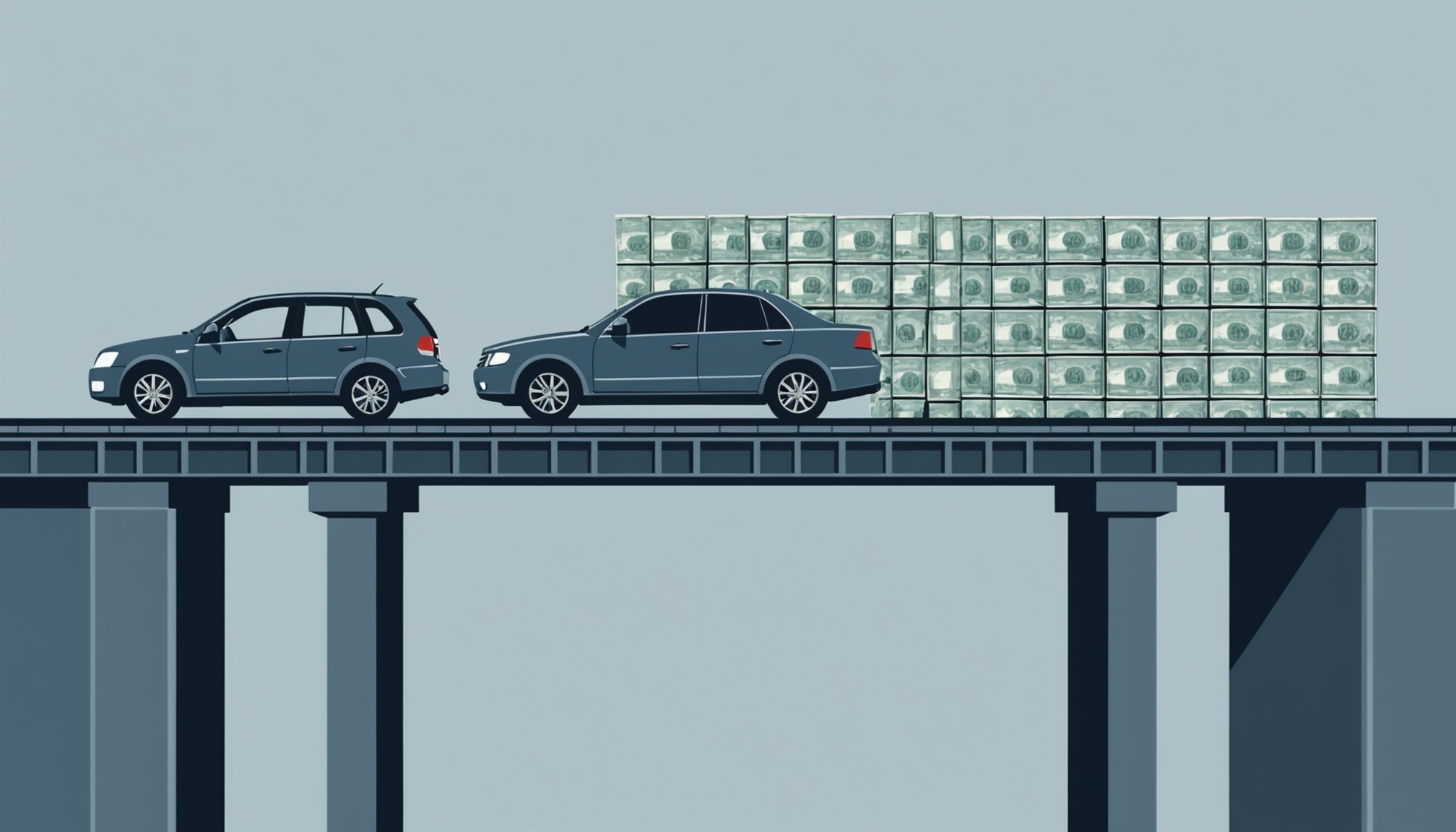
The first quarter has passed since US auto tariffs became reality. The official quarterly results from Hyundai Motor have not yet been released, but the outline of cost pressure is already taking shape. As Hormuz and the Red Sea become unstable simultaneously, energy costs are rising, while export volumes to the US carry an added tariff burden. Even before the numbers are confirmed, there is a need to organize which variables to watch and build a judgment framework.
When Two Straits Are Disrupted at the Same Time
The share of energy and logistics costs in an automaker's manufacturing cost is anything but small. Korea Economic Daily reported that with the Red Sea joining Hormuz in instability, warnings that "blocking both oil arteries could tip the world into recession" are spreading. The Strait of Hormuz handles roughly 20% of global seaborne crude traffic, and the Red Sea is the key route for Asia-Europe container volumes. When both routes experience disruption simultaneously, an energy-price spike and a freight-rate surge hit at the same time.
For Hyundai Motor, disruption to both routes is a double shock. First, the energy cost embedded in producing steel sheets, aluminum, and other materials rises. Second, ocean freight rates for shipping finished vehicles and components to European and Middle Eastern markets increase. If the tariff issue is a cost variable concentrated in US exports, strait instability is an across-the-board cost variable. The fact that both pressures coincided in the same quarter is precisely what makes the upcoming earnings release unusually worth watching.
Whether this risk is a short-term spike or a structural realignment determines how automakers respond. If short-term, hedging and inventory adjustment can absorb it. If structural, production-site diversification, supplier price renegotiations, and product-mix adjustments become necessary. Judging which it is requires continuous tracking of geopolitical tension.
Can Brand Assets Act as a Buffer Against Cost Pressure?
When costs rise, a company has two cards to play: cut costs, or raise prices. Raising prices requires brand assets strong enough that consumers will accept the increase. In this context, the Korea Economic Daily story about Hyundai's historical brand heritage is more than mere nostalgia.
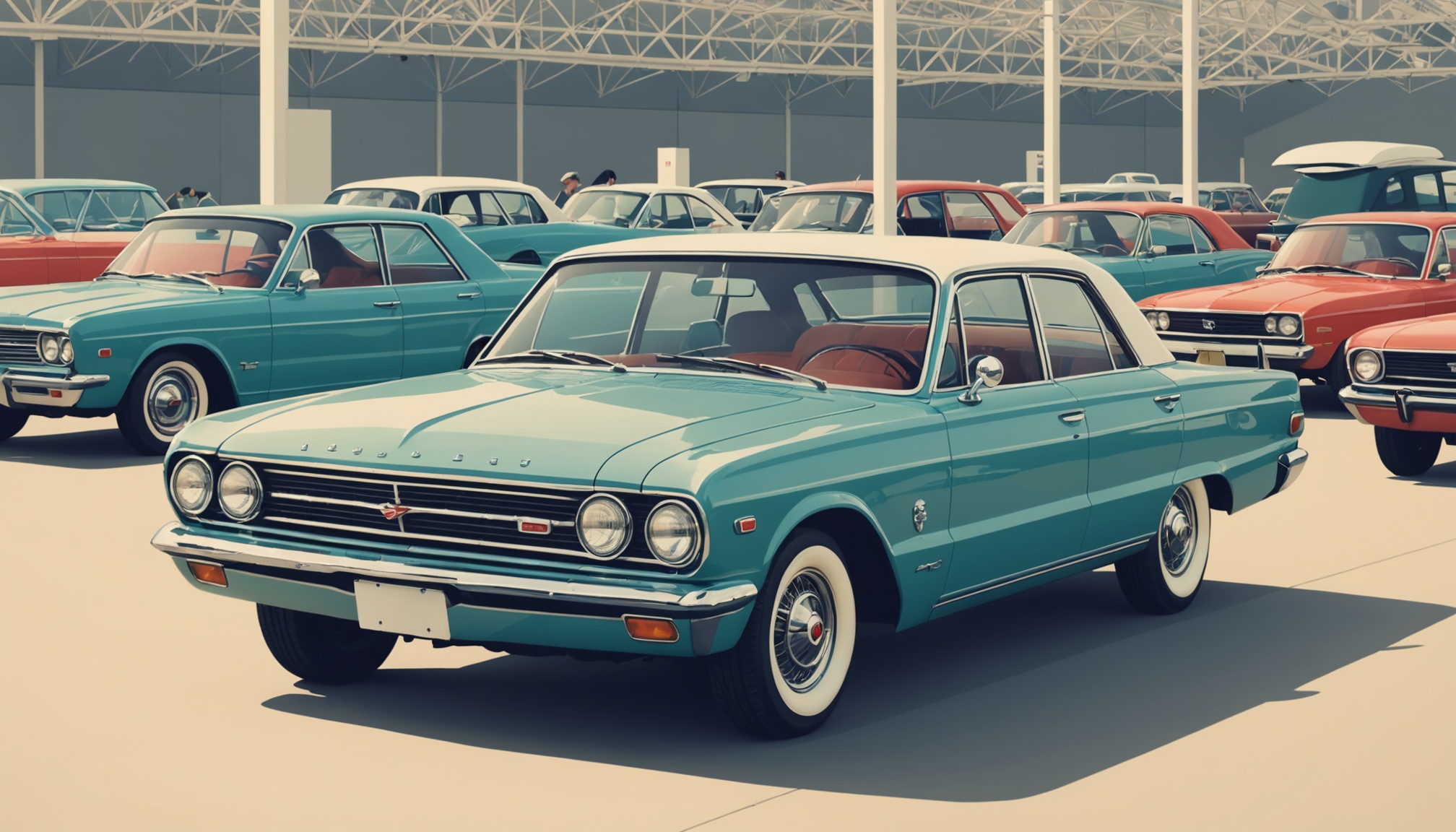
The report describes how a model that was the forerunner of the Sonata was spectacularly resurfaced at Cannes after 40 years. This connects to Hyundai's strategy of positioning itself as a brand with heritage, beyond just offering value for money. As a premium image solidifies, consumers' price tolerance rises — ultimately creating pricing power, the ability to pass cost increases through to selling prices.
The problem is that this brand investment takes time to translate into actual margin defense. Advertising, exhibition, and event costs are captured as short-term expenses, while brand asset growth does not show up immediately in the numbers. The key for investors is how to view this time lag. One must judge whether a strategy of building brand while absorbing near-term margin pressure is viable in the long run, or whether immediate cost reduction is more urgent.
When tariffs and energy costs rise simultaneously, an automaker's margin defense ultimately comes down to how persuasively it can justify higher prices to consumers.
Judgment Framework: What Would Make This Scenario Wrong
Any outlook must always be viewed alongside the conditions that would cause it to fail. The scenario in which "Hyundai defends margins through brand assets and production-site diversification" breaks down in the following circumstances.
First, if US market tariffs cannot be passed through to selling prices as quickly as expected. If competitors — particularly those with a high share of domestic US production — do not raise prices, Hyundai cannot raise them alone. Second, if the Hormuz/Red Sea instability does not end quickly but persists over multiple quarters. In that case, hedging costs themselves also rise, and parts procurement disruptions could shake production schedules. Third, if Hyundai's US local production expansion falls short of market expectations. Local production is the structural solution to tariff risk, but factory expansion requires both capital and time.
Conversely, conditions that strengthen the scenario also exist. The news that Hanwha Philippine Shipyard won a US missile range ship order worth about 3 trillion won (Korea Economic Daily) shows that Korean manufacturers broadly are improving their capability to respond to US demand through local presence and partnerships. Although defense and autos are different sectors, the pattern of Korean manufacturers absorbing US demand through localization and partnerships is a reference model for the automotive space as well.
| Variable | Direction of Impact on Hyundai Margins | Monitoring Indicator |
|---|---|---|
| US auto tariffs | Negative (higher cost for US-bound exports) | US tariff rate and scope changes |
| Hormuz/Red Sea instability | Negative (higher energy and freight costs) | Dubai crude price; SCFI (Shanghai Containerized Freight Index) |
| Brand premiumization | Positive (long-term pricing power improvement) | ASP (average selling price) trend; incentive rate |
| US local production expansion | Positive (tariff avoidance; logistics cost reduction) | Georgia Metaplant operating rate and output |
| Competitor pricing policy | Variable (determines whether price pass-through is possible) | US selling price changes at Toyota, GM, and Ford |
What to Watch
- Hyundai Motor Q2 earnings release — Monitor the direction of operating margin versus the prior quarter, and what management says about foreign exchange and raw material costs.
- US sales ASP (average selling price) — Whether tariff burden was passed through to selling prices or absorbed through incentives is the key evidence for margin defense.
- Georgia Metaplant operating rate — Track quarterly production disclosures to confirm whether local production expansion is actually gaining momentum.
- Dubai crude price and SCFI (Shanghai Containerized Freight Index) — Useful as leading indicators of how much the Hormuz/Red Sea instability is feeding into actual costs.
- Competitor incentive rates — If Toyota or GM increases incentives in the US market, Hyundai is more likely to respond with incentives rather than price hikes.
- Won/dollar exchange rate — A weaker won improves US export economics, but excessive weakness also raises import raw material costs simultaneously — both sides must be tracked.
- Brand investment costs (SG&A ratio) — Confirm whether heritage and premium marketing spending is pressuring near-term earnings, and whether that level of spending is being tolerated by the market.