Reading foreign investor flows from numbers alone shows only half the picture. You must first determine which industry events captured global capital's attention, and whether those events are one-off or represent structural change. In July, three themes emerged in the Korean market almost simultaneously: defense orders, HBM technology competition, and energy supply-chain disruption. These three axes can serve as the basic framework for judging the direction of foreign capital inflows and outflows.
Defense: The Signal Sent by a 3-Trillion-Won Order
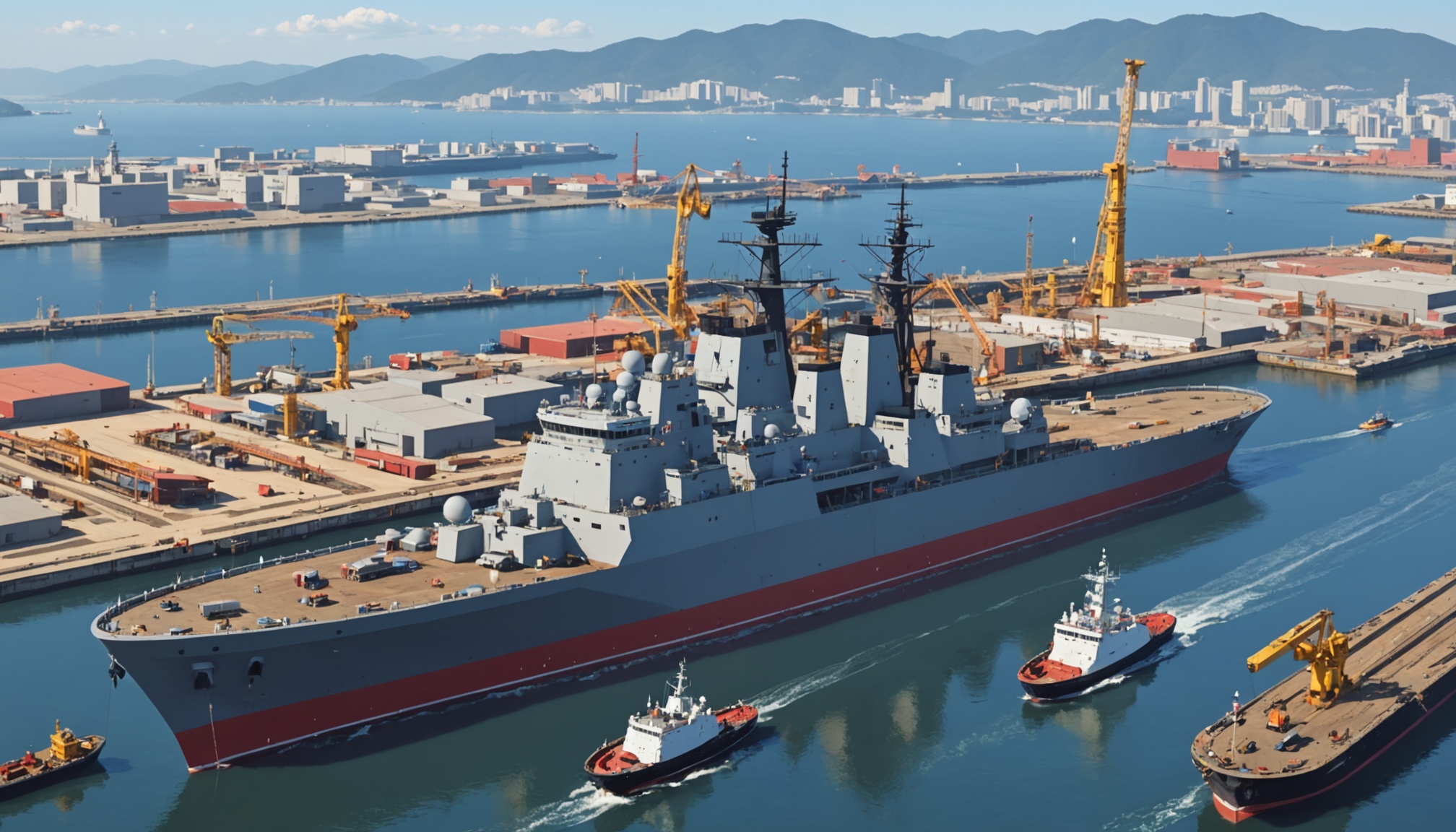
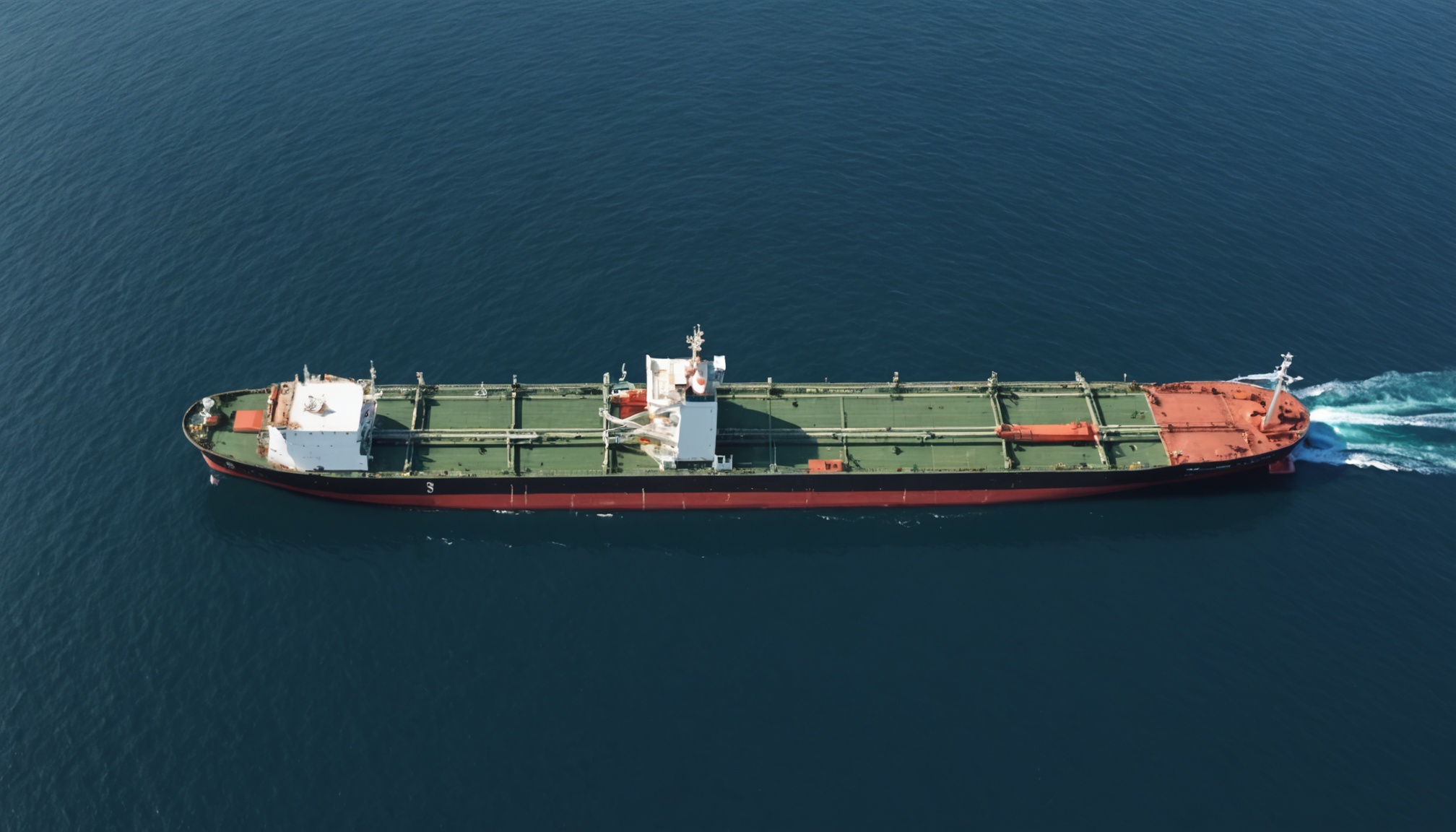
The most eye-catching event in the defense sector in July was Hanwha Philippine Shipyard's win of a US military vessel order. According to Korea Economic Daily, Hanwha Philippine Shipyard won an order for two US missile range instrumentation ships with a contract value of 3 trillion won (approximately $2.2 billion). This is not a simple export contract — the fact that a Korean private shipyard is building US military vessels can be interpreted as progress in US–Korea defense supply chain integration.
From the perspective of foreign investors, particularly US institutional funds, this news suggests two things. First, a structure is forming in which Korean defense and shipbuilding companies can directly benefit from the US defense budget. Second, this relationship has potential to develop into a long-term arrangement spanning the full lifecycle of the vessels, not just a short-term contract. Given that the US Congress's National Defense Authorization Act (NDAA) budget discussions recur annually, this order could mark the starting point for a repeatable revenue stream.
The conditions under which this framework breaks down are also clear. If US domestic shipbuilding protectionism intensifies or the US Navy budget is cut by Congress, expectations for follow-on orders could retreat quickly. In addition, Hanwha Philippine Shipyard is a local overseas entity, and the path through which profits flow back to the domestic listed company must be separately confirmed.
Semiconductors: The HBM Competitive Landscape and the Logic of Foreign Capital
In the semiconductor sector, HBM (High Bandwidth Memory) has re-emerged as the central theme. According to Korea Economic Daily reporting, SK Hynix has built its HBM business development footprint, spanning from the Cheongju factory to the New York market, under the leadership of Chairman Chey Tae-won. HBM is directly tied to memory demand for AI accelerators and is the core component where global AI infrastructure investment is concentrated.
From the perspective of institutional foreign investors, HBM is a far more specific investment thesis than the broad category of "Korean semiconductors." The unit price and quantity of HBM in a single AI server is incomparably higher than ordinary DRAM, and the number of viable suppliers is effectively very small. As long as this structural oligopoly holds, foreign investor flows into relevant companies are likely to move in tandem with the AI infrastructure spending cycle.
The conditions under which this logic breaks down are twofold. If Micron and other competitors rapidly improve HBM yield and supply capability, diluting the supply oligopoly; or if the AI investment bubble debate reignites and Big Tech's capital expenditure (CapEx) plans are revised downward. Both conditions are ongoing risks, so the flow of these variables must be tracked concurrently when looking at supply-demand data.
The direction of foreign investor flows is determined not by a single event, but by what signals the three axes of defense, semiconductors, and energy are simultaneously sending.
Energy Risk: The Indirect Channel to Investor Flows
Energy supply-chain instability acts less as a variable that directly affects foreign investor flows and more as one that works indirectly through South Korea's cost structure and trade balance. Korea Economic Daily reported that with the Red Sea joining Hormuz in instability, the warning that "blocking both oil arteries could trigger a global recession" is being raised. South Korea has high structural dependence on oil imports, so this risk is reflected in markets through the channel of higher energy costs → corporate margin pressure → weakening export competitiveness.
Paradoxically, energy supply-chain instability could also act as a catalyst to heighten foreign interest in the defense sector. As geopolitical tensions escalate, national defense budgets expand, broadening order opportunities for Korean defense companies. The 3-trillion-won Hanwha Philippine Shipyard order mentioned earlier is not unrelated to this geopolitical context.
However, if energy prices spike, the Korean trade balance could deteriorate rapidly, translating into pressure for a weaker won. From foreign investors' perspective, a weaker won erodes local-currency-denominated returns — so when energy risk exceeds a threshold, incentives emerge to pull capital out of the Korean market as a whole. Where to set that threshold is the key judgment call.
Judgment Framework: How to Cross-Check the Three Axes
Viewing the three themes individually versus cross-referencing them can produce different conclusions. If defense order momentum is strong, HBM demand is solid, and energy risk remains manageable, foreign investor flows are likely to point in a positive direction. Conversely, if energy risk expands and the AI investment cycle begins to turn, defense momentum alone may not be enough to sustain the flow direction.
Supply-demand data is the result. To understand the causes producing that result, you need the habit of tracking the direction these three axes are moving with measurable indicators. The checklist below is a starting point.
| Axis | Key Event | Flow-Friendly Condition | Flow-Damaging Condition |
|---|---|---|---|
| Defense / Shipbuilding | Hanwha Philippine Shipyard 3-trillion-won US military vessel order | Expanded US NDAA budget; additional order announcements | Strengthened US domestic shipbuilding protectionism |
| Semiconductors (HBM) | SK Hynix HBM supply chain expansion | Big Tech CapEx plan maintained or raised | Competitor yield improvement; AI investment slowdown |
| Energy supply chain | Simultaneous Hormuz and Red Sea instability | Geopolitical tension easing; oil price stabilization | Both straits blocked; won rapid depreciation |
What to Watch
- Hanwha Philippine Shipyard follow-on order disclosures — Additional contracts after the two US military vessels; cross-check with US Navy budget execution schedule
- SK Hynix and Samsung HBM shipment guidance — At quarterly earnings releases, separately confirm HBM share and unit price trends
- Big Tech CapEx plans from Nvidia and others — Leading indicator for HBM demand; if revised, immediate market impact is likely
- Brent crude price and Korean trade balance — Track monthly the speed at which energy risk passes through to the won and trade balance
- Vessel count and insurance rates for Hormuz and Red Sea traffic — Market-priced indicators for gauging the actual degree of blockage
- Daily cumulative foreign KOSPI net buying (Korea Financial Investment Association / Korea Exchange) — Post-event verification of how actual flows respond to changes in the three axes above